About Us
Our Model
The Barriers
Development is most effective when led by those most impacted, but three systemic barriers stand in the way:
Taken together, these barriers force local organizations into a defensive posture, hiding real challenges and telling funders only what they want to hear. The result is a cycle of performance rather than partnership, leaving funders detached from reality on the ground.
Achieving localization requires breaking this cycle. It requires trust, and without it, localization is impossible.
Our Approach
That’s where we come in. Groundwork Weaver Collective (GWC) builds the relationship infrastructure between funders and organizations to enable sustainable localization. Through small, consistent engagements, GWC builds the trust, honesty, and shared ownership that the funder-grantee relationship depends upon. When relationships are strong, funders are able to shift power to grantees to ensure long-term investments last beyond funding cycles.
The model focuses on trust and is grounded in research on funder-grantee relationships. Trust, left undefined, depends on individual relationships and doesn't hold when people or circumstances change. Defining trust explicitly and together builds the infrastructure of the relationship rather than leaving it to individuals and annual engagements.

Mapping
We partner with funders and organizations to map their distinct assets, using the process as an entry point to see how trust operates in practice: internally within teams and across grantmaking relationships.

Weaving
We facilitate honest conversations between funders and organizations to weave complementary assets into shared commitments: defining how funders and grantees will build trust, share strengths, and track impact together.

Building
We build on these shared commitments through routine, reflective engagements. By tracking progress and revisiting practices together, we deepen trust and establish the relational infrastructure that enables true, long-term localization.
We have tested this model with a Haitian-led organization and a Black woman-led health provider in Baltimore. In both cases, funders responded to candor by offering more, not less.
Outcomes

Deeper Trust
Mapping the ecosystem lays the relational groundwork, replacing compliance with mutual transparency.
- Shared Markers = Shared Accountability: Trust is measured and revisited using indicators co-defined by funders and grantees, replacing top-down evaluations.
- Radical Real-Time Honesty: Both funders and local partners surface challenges, mistakes, and strategy pivots early without fear of penalty.
- Mutual Reliability: Commitments and obligations are tracked and upheld transparently on both sides of the partnership.

A New Approach to Trust-Based Philanthropy
Weaving relationships and connections shifts power dynamics, creating a scalable blueprint for equitable grantmaking.
- Expanded Operational Autonomy: Earned trust gives local leaders the space, flexibility, and authority to adapt strategies to ground realities in real time.
- Relational Bilateral Infrastructure: Connection carries the grantmaking relationship forward organically, proving that high-trust alignment functions without administrative burden.
- Sustained Relational Continuity: Strategic plans ensure trust, communication, and collaboration endure beyond funding cycles.

Greater Collective Impact
Building solidarity and shared assets equips local organizations to move from isolated survival to ecosystem-wide leverage.
- Ecosystem Solidarity: Local partners act, advocate, and mobilize rather than competing as isolated applicants.
- Amplified Community Leverage: Shared assets and aligned priorities allow grassroots leaders to drive larger, systemic outcomes together.
- Durable Ecosystem Resiliency: Stronger relational infrastructure protects local organizations from external shocks and shifts the paradigm from individual survival to collective power.
What we are not
Not Another Intermediary
We are not an administrative middleman filtering communication. We are relational infrastructure designed to connect funder priorities directly with local decision-making power. This is why we facilitate partnerships built on trust giving community leaders the autonomy to execute effectively while offering funders clear, unfiltered insight into real-world impact.
Not Focused on Capacity Building
We are not a traditional capacity-building program assuming local expertise needs “fixing.” We are a collaborative partner grounding relationships in mutual trust. This is why we trade performative reporting for honest dialogue, giving funders genuine line-of-sight to ground realities and local groups the space to adapt and thrive.
Not a Peer Learning Network
We are not a managed network requiring performative participation. We are a space for solidarity and mutual accountability. This is why our relational model builds genuine confidence on both sides to help funders invest with clarity without burdening local leaders with extra administrative tasks.
Our Team
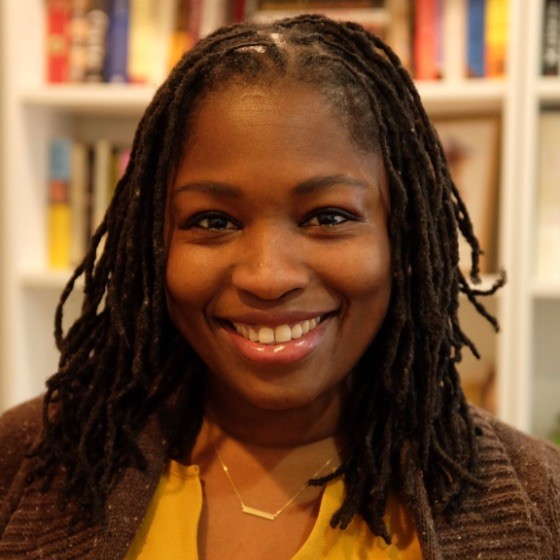
Alli Phillips, MA
Founder
A partnership and development professional who has spent extensive time on both sides of the funder-grantee relationship, inside Global South organizations and inside the institutional philanthropies that fund them. Her practice bridges technical donor compliance with the practical, on-the-ground realities of grassroots leadership. She specializes in designing relational infrastructure that replaces bureaucratic friction with candid alignment. Through her work, she supports locally led organizations in cultivating sustainable, trust-based funding partnerships that endure far beyond individual grant cycles.
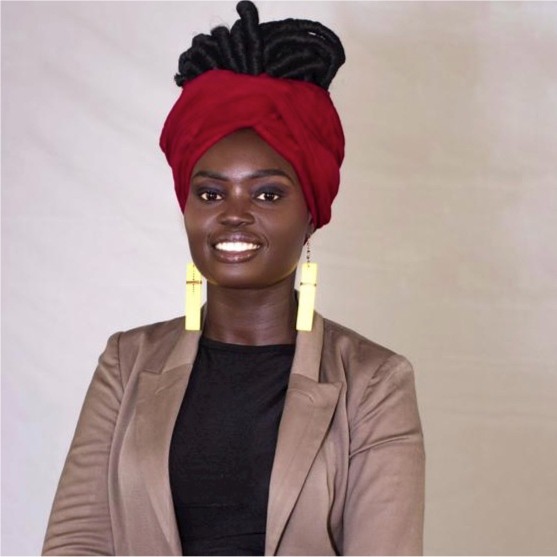
Aluel Atem, MA
Founding Partner
A South Sudanese feminist, peacebuilder, and community organizer who has worked inside international development institutions and global feminist philanthropy while remaining deeply rooted in grassroots organizing in South Sudan. Her career spans movement-building, policy advocacy, and navigating complex institutional power dynamics across international aid ecosystems. She centers trust-based, relational accountability that honors the lived expertise and self-determination of local leaders. Her work focuses on dismantling systemic barriers to ensure women-led organizations hold the autonomy and resources needed to drive lasting, community-owned peace.
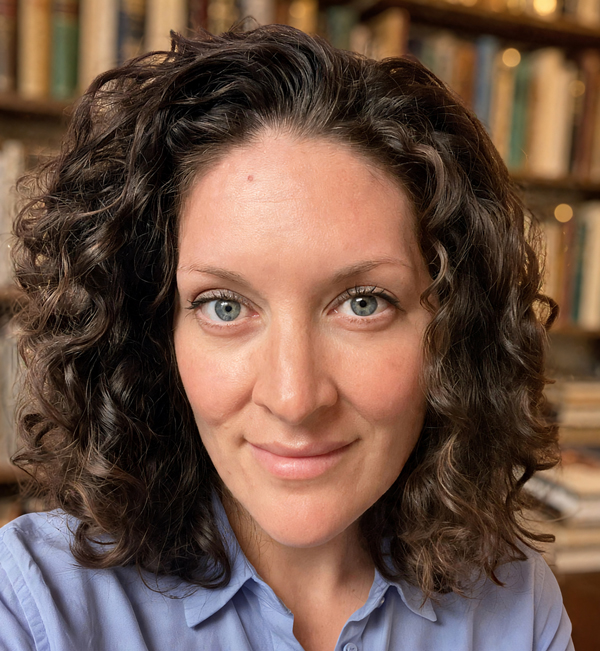
Amanda H. Blair, PhD
Founding Partner
A political scientist and research practitioner who has worked within and alongside civil society organizations across the US, Sub-Saharan Africa, the Middle East, and Asia. Her work examines how institutional structures, power asymmetries, and incentive systems shape collaboration between funders and community-led groups. She specializes in participatory assessment and trust-building processes that translate complex evidence into actionable organizational strategy. She partners with organizations to strengthen their internal systems, navigate institutional gatekeeping, and reclaim authority over their own agendas.
Our Partners
COFHED
When Haitian-led organization COFHED needed to transition away from traditional, donor-driven dependency, GWC conducted an honest, reflective organizational assessment and brought their funder ecosystem together in a collaborative donor roundtable. By replacing performative reporting with candid dialogue about COFHED’s true operational needs and strategic vision, funders did not withdraw–instead, several stepped forward with additional flexible resources. This shift established a relational foundation that enabled COFHED to strengthen its internal infrastructure, take full ownership of its strategic priorities, and maintain long-term financial sustainability beyond any single donor relationship.
DMC
As a Black woman-led community health provider in Baltimore navigating systemic funding disparities, DMC partnered with GWC to build relational infrastructure with its financial supporters. By mapping its deep community assets and engaging funders in transparent dialogue about real-world health delivery challenges, DMC shifted the dynamic from top-down compliance to mutual accountability. This trust-based approach gave funders unfiltered line-of-sight into ground realities, prompting them to offer greater operational flexibility and sustained support that respected DMC’s autonomy and local leadership.